Ingredients & Substitutions
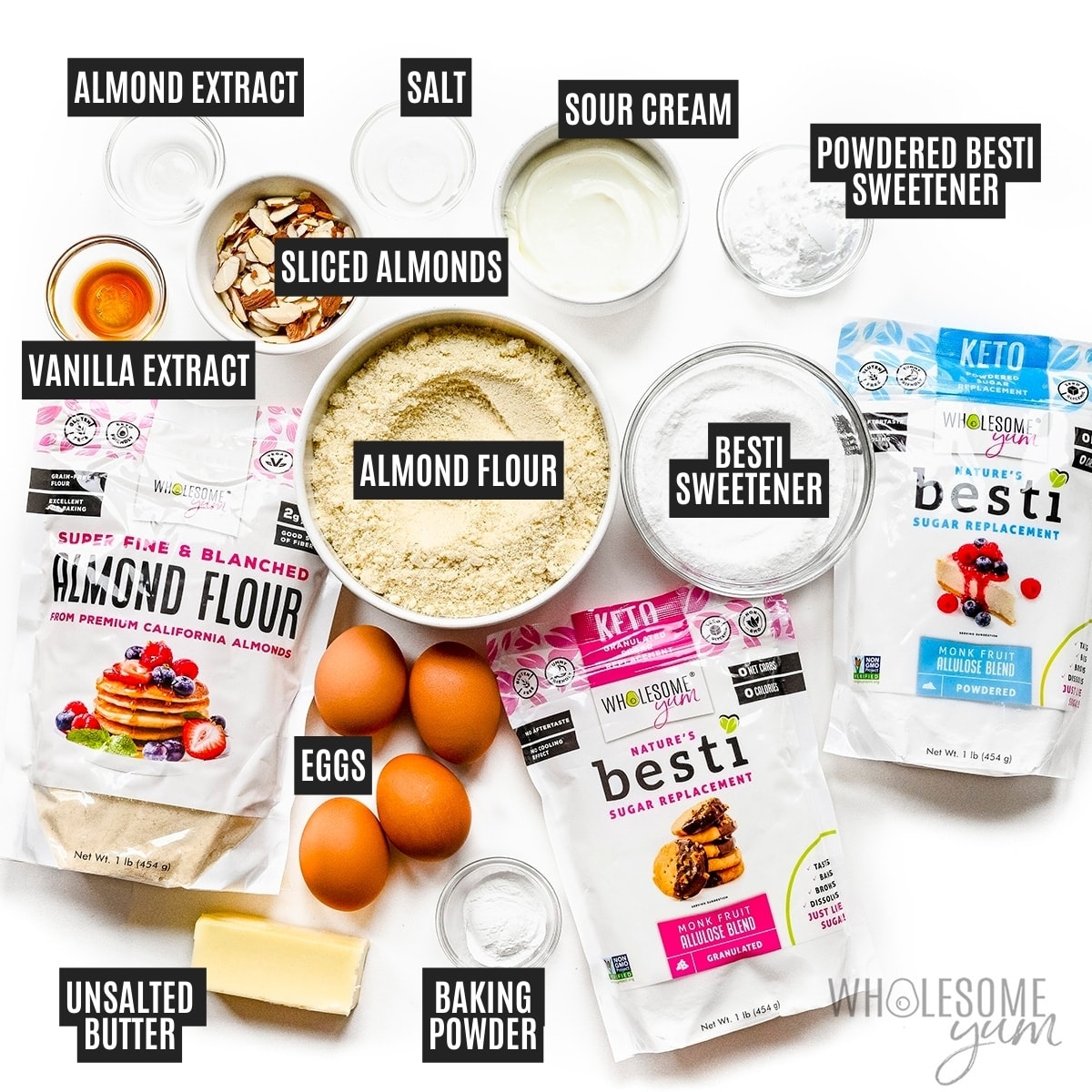
Here I explain the best ingredients for my almond cake, what each one does in the recipe, and substitution options. For measurements, see the recipe card.
Almond Cake:
Wholesome Yum Almond Flour – Of course I make my almond cake with almond flour! This brand is my top recommendation because it has the finest texture, so it creates a light and delicate crumb, and a subtle almond flavor. Avoid using almond meal or coarser brands, as these will make the cake gritty. Baking Powder – Produces air bubbles in the batter, which makes your cake more light and fluffy. (Don’t confuse this with baking soda, which is different.) Keep in mind that almond flour cakes don’t rise as much as ones made with all-purpose flour, but that’s totally okay and normal! Unsalted Butter – Allow it to sit on the counter to soften before using. You could also use coconut oil for a dairy-free option, but I prefer the richer flavor of grass-fed butter. Besti Monk Fruit Allulose Blend – I wanted to make sure this was a moist almond cake recipe, and it is! That’s because, unlike other sweeteners, Besti natural sweetener locks in moisture for softer baked goods, with no aftertaste and zero sugar. The recipe should work just fine with regular sugar (but you know I won’t recommend this), or another sugar substitute if you prefer, though (use my sweetener conversion chart for exact amounts). Eggs – No need to whip egg whites and egg yolks separately, like some almond flour cake recipes. Mine simply uses whole eggs. I recommend letting them come up to room temperature before you begin. An egg substitute, such as flax eggs, will also work, but the cake may be a bit more delicate after baking. Sour Cream – Adds moisture, richness, and flavor. I use a full-fat variety for richest flavor and texture, but you can use any kind (or even unflavored Greek yogurt). Extracts – You will need both vanilla extract and almond extract for the perfect flavor combo. Keep in mind that the strength of extracts can vary, so the amounts in my recipe are based on the ones I have linked here. Sea Salt – Balances the sweetness.
Glaze:
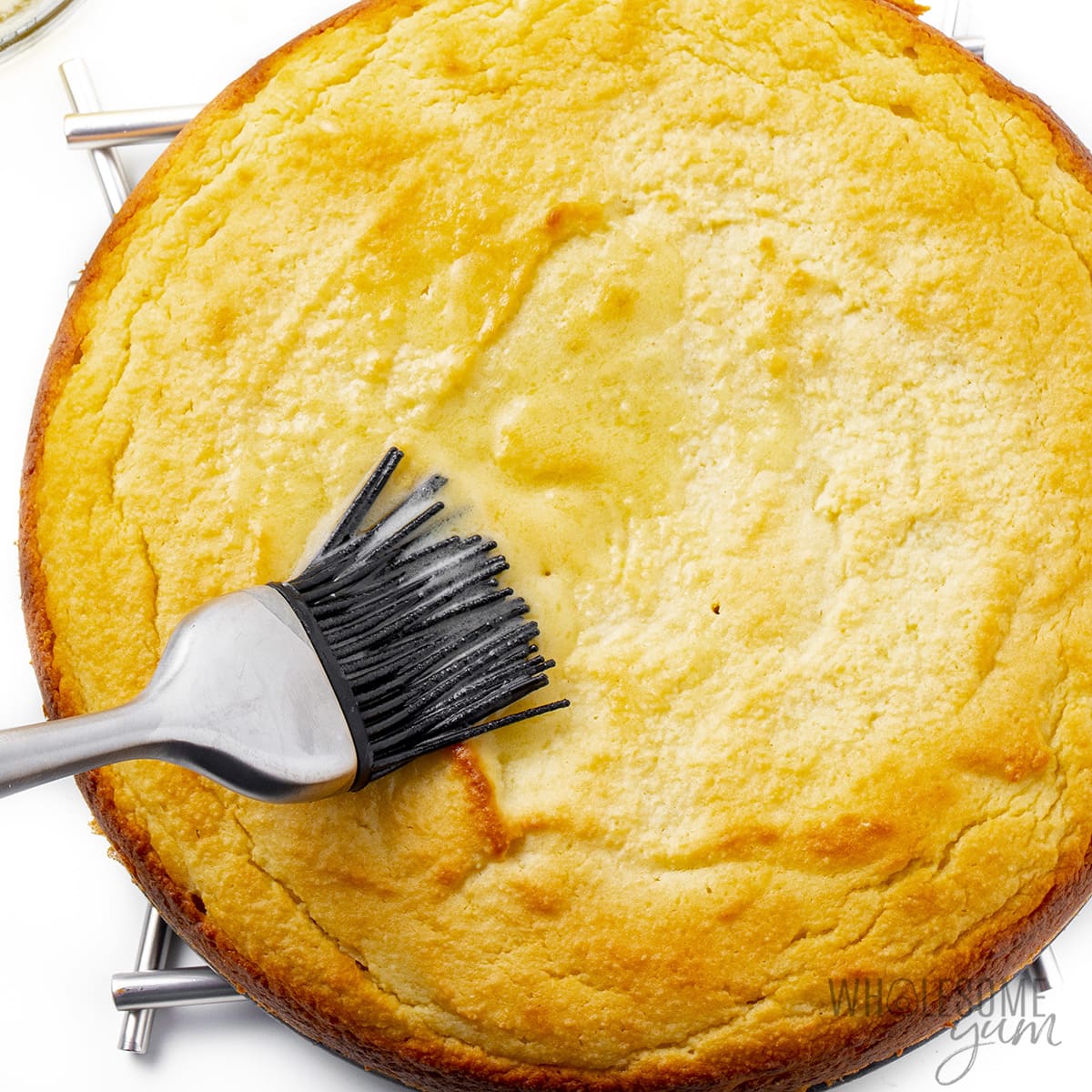
Melted Butter – You can melt the butter in the microwave, or a double boiler on the stove. Besti Powdered Monk Fruit Allulose Blend – I only use powdered Besti here because it dissolves fully and won’t crystallize, which isn’t the case with most other sweeteners. You can try other powdered sweeteners, but they may result in a gritty texture. Regular powdered sugar also works here if it fits your lifestyle, but I’m on team no-refined-sugar over here. Vanilla & Almond Extract – Because I’ll take as much of those flavors as I can get.
Toasted Almonds:
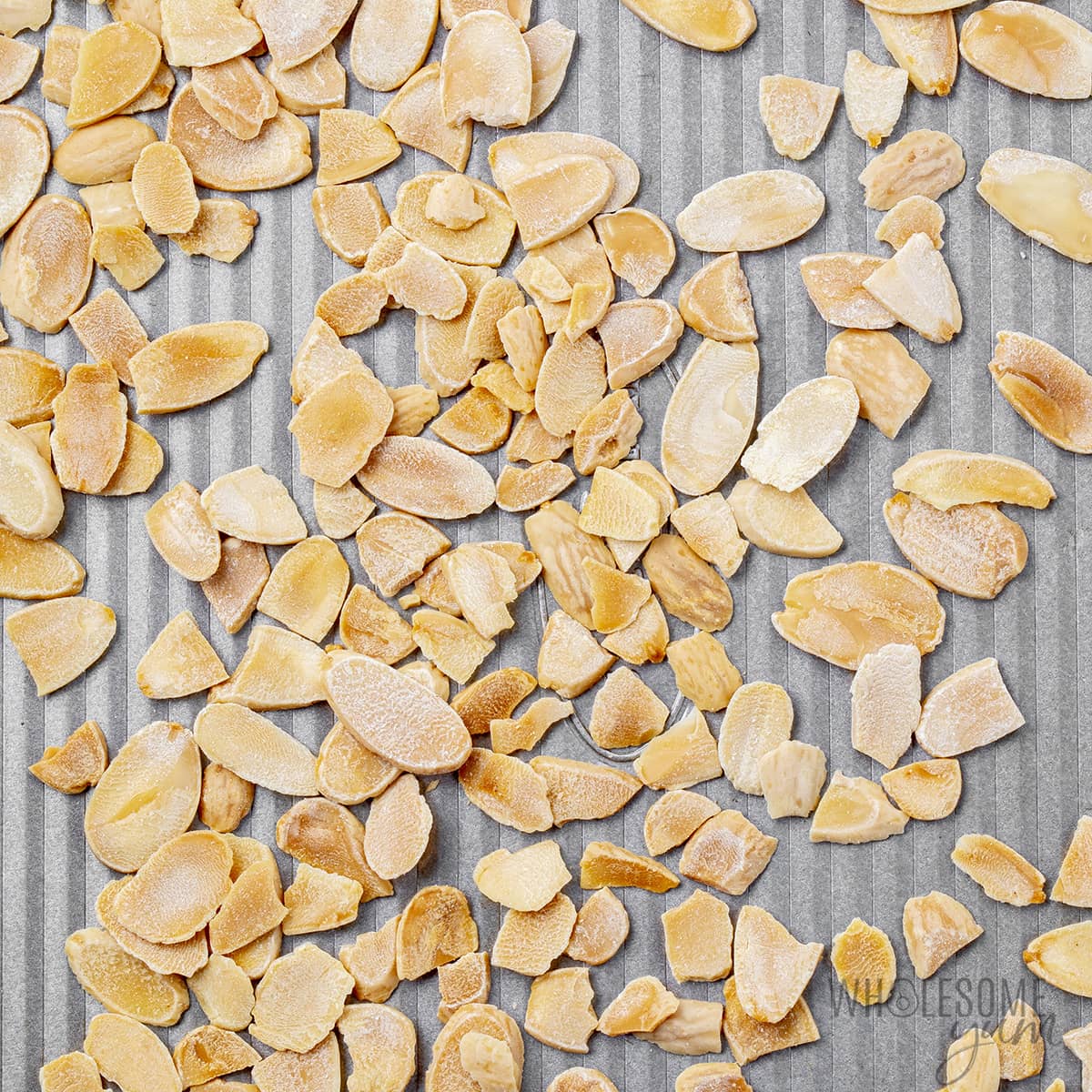
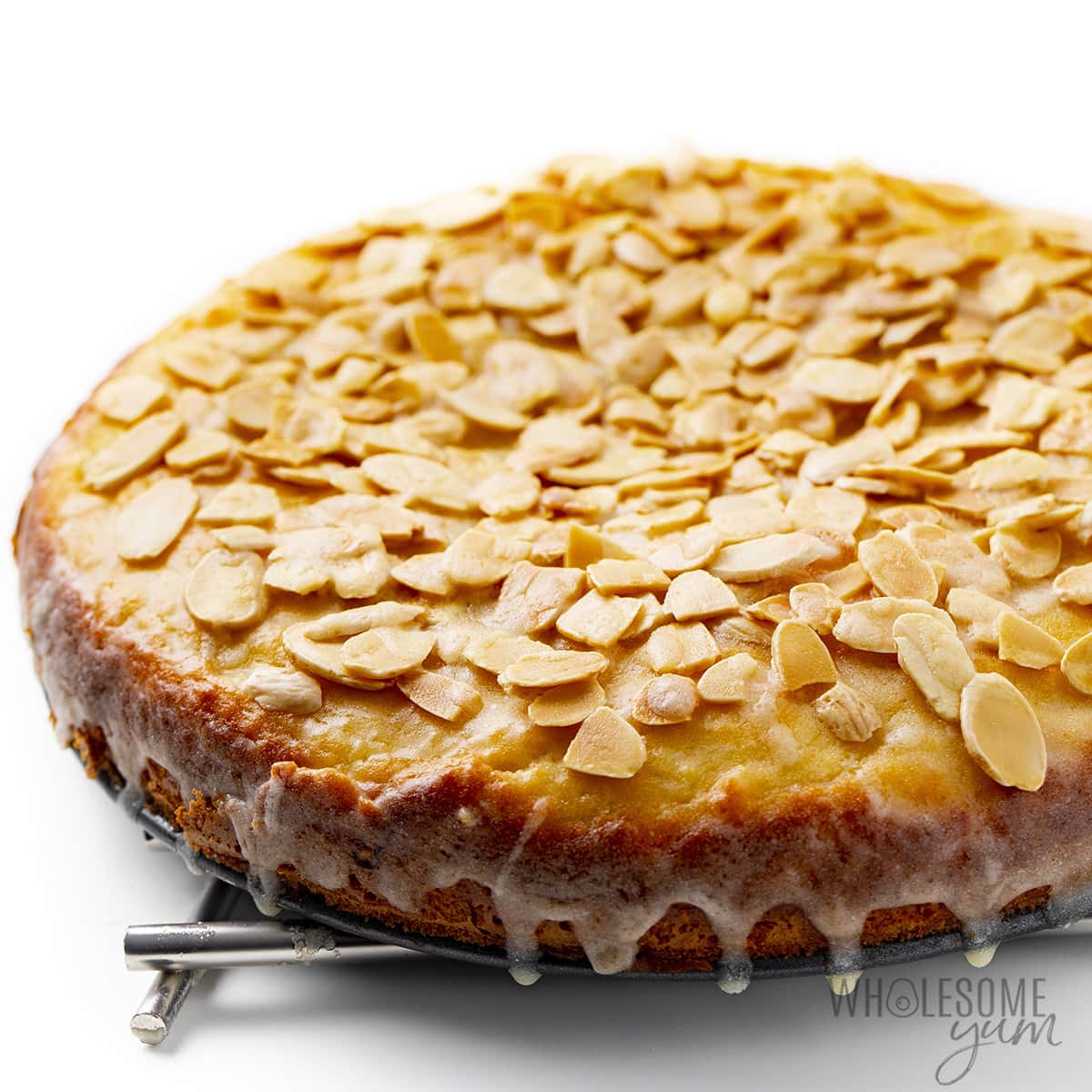
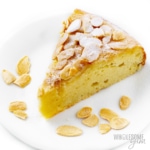
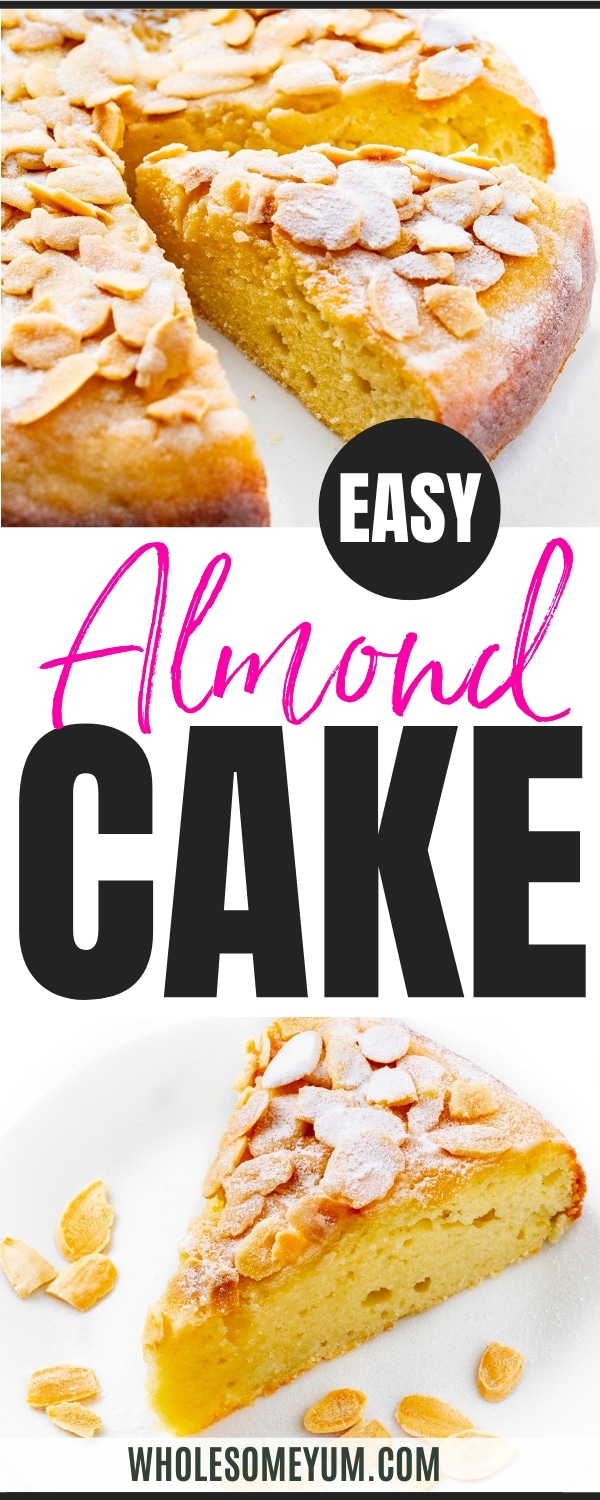
Sliced Almonds – I top this almond cake with toasted almonds for crunch, and it’s just not the same without them! I usually get sliced almonds, as they are easier to seal in the glaze, but slivered almonds can still work.
How To Make Almond Cake
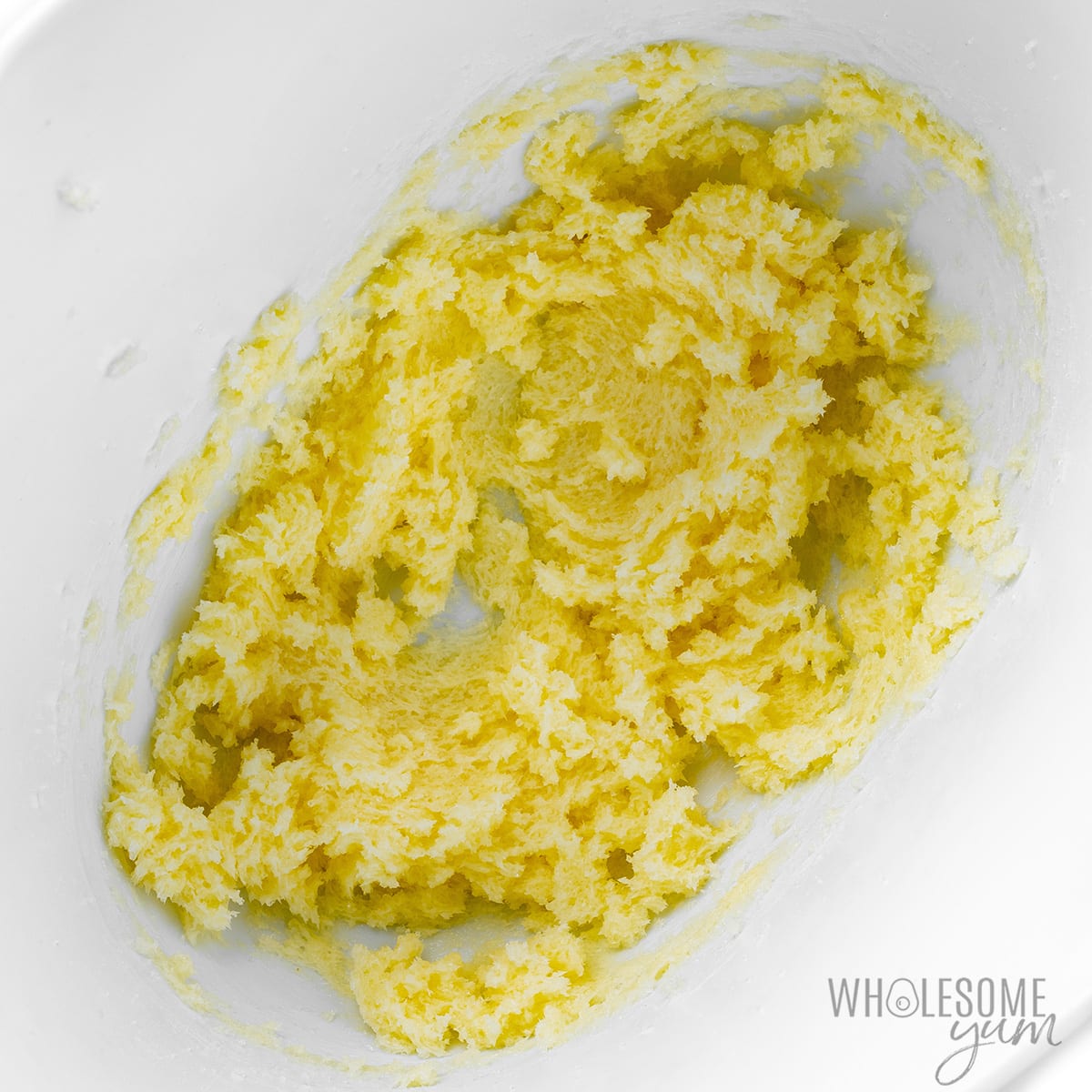
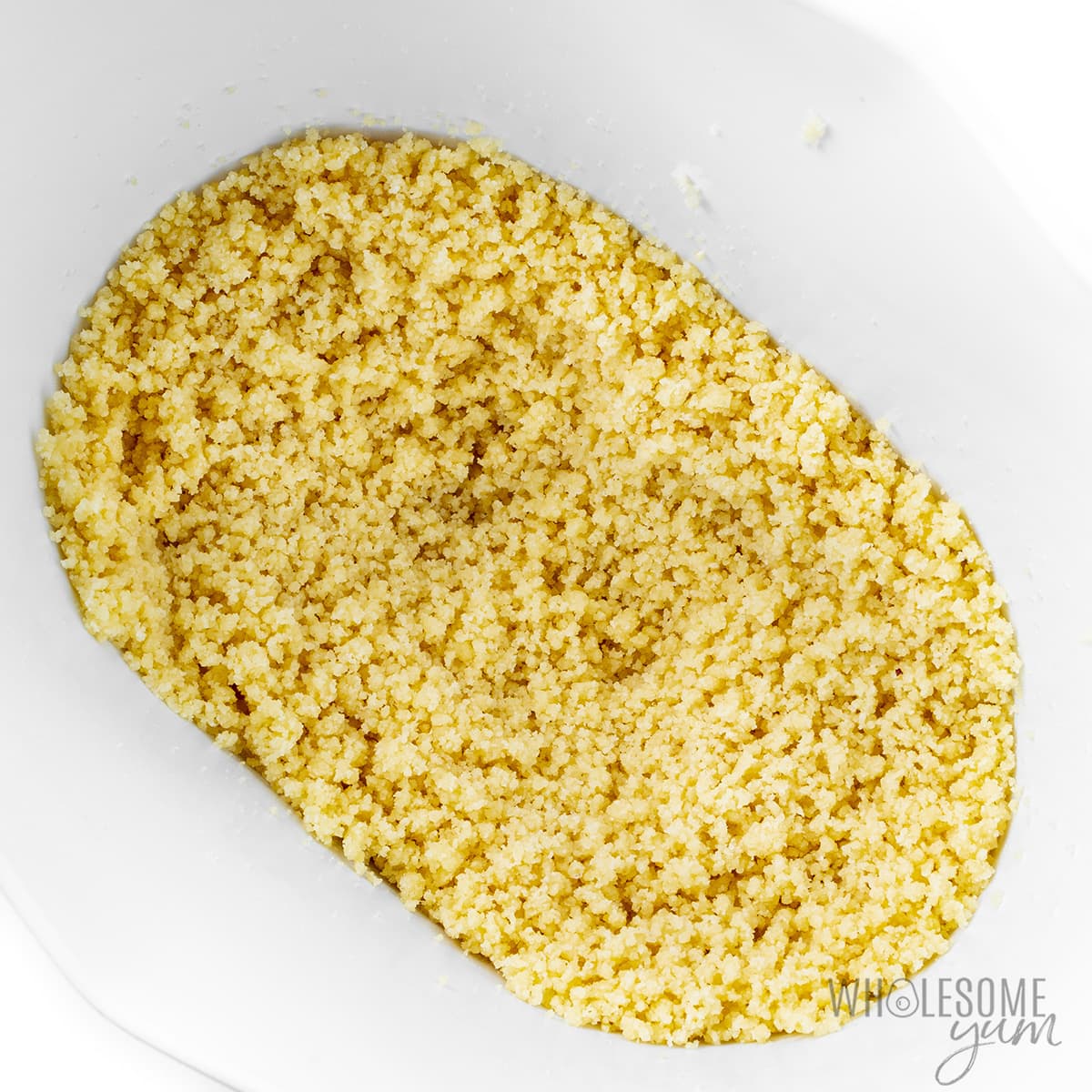
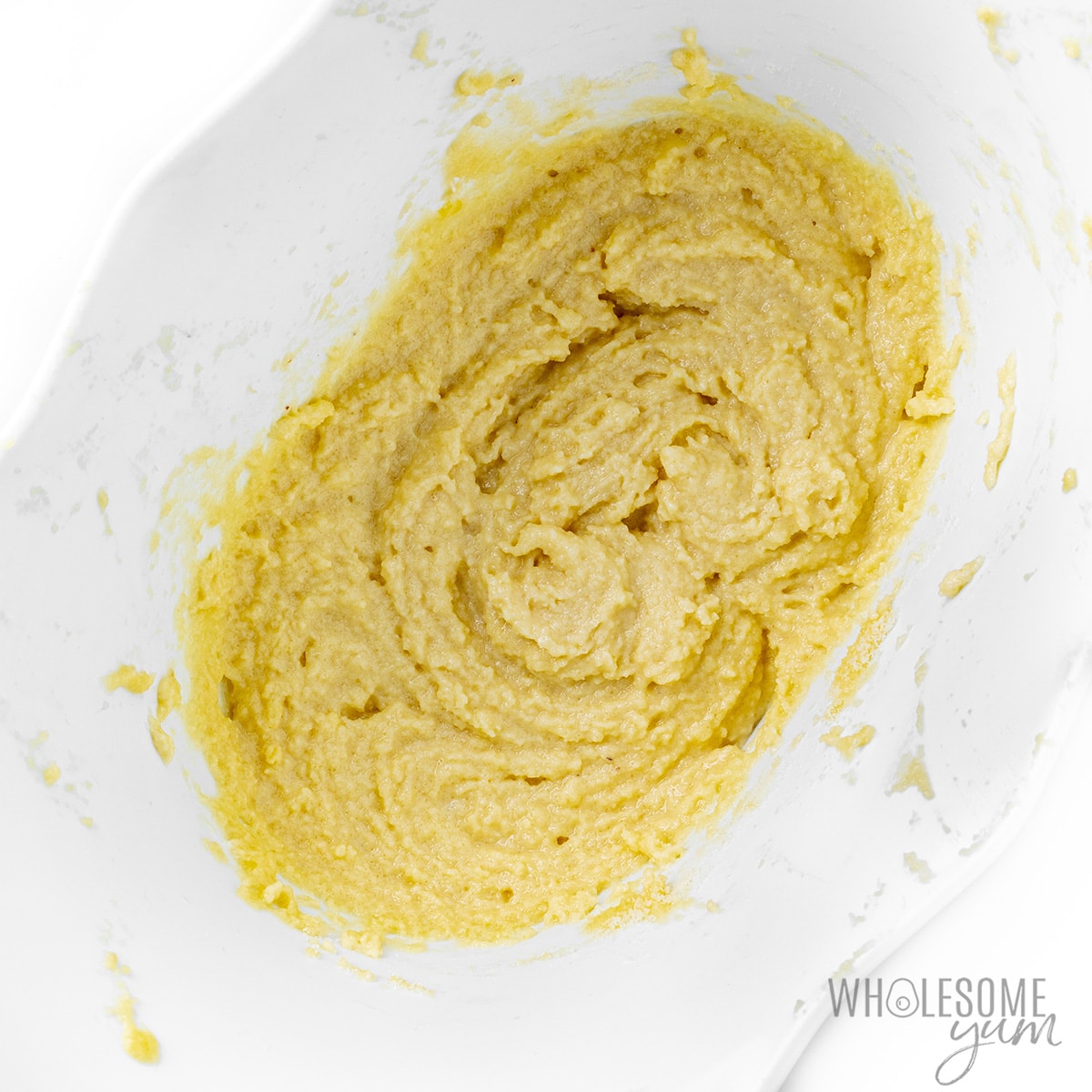
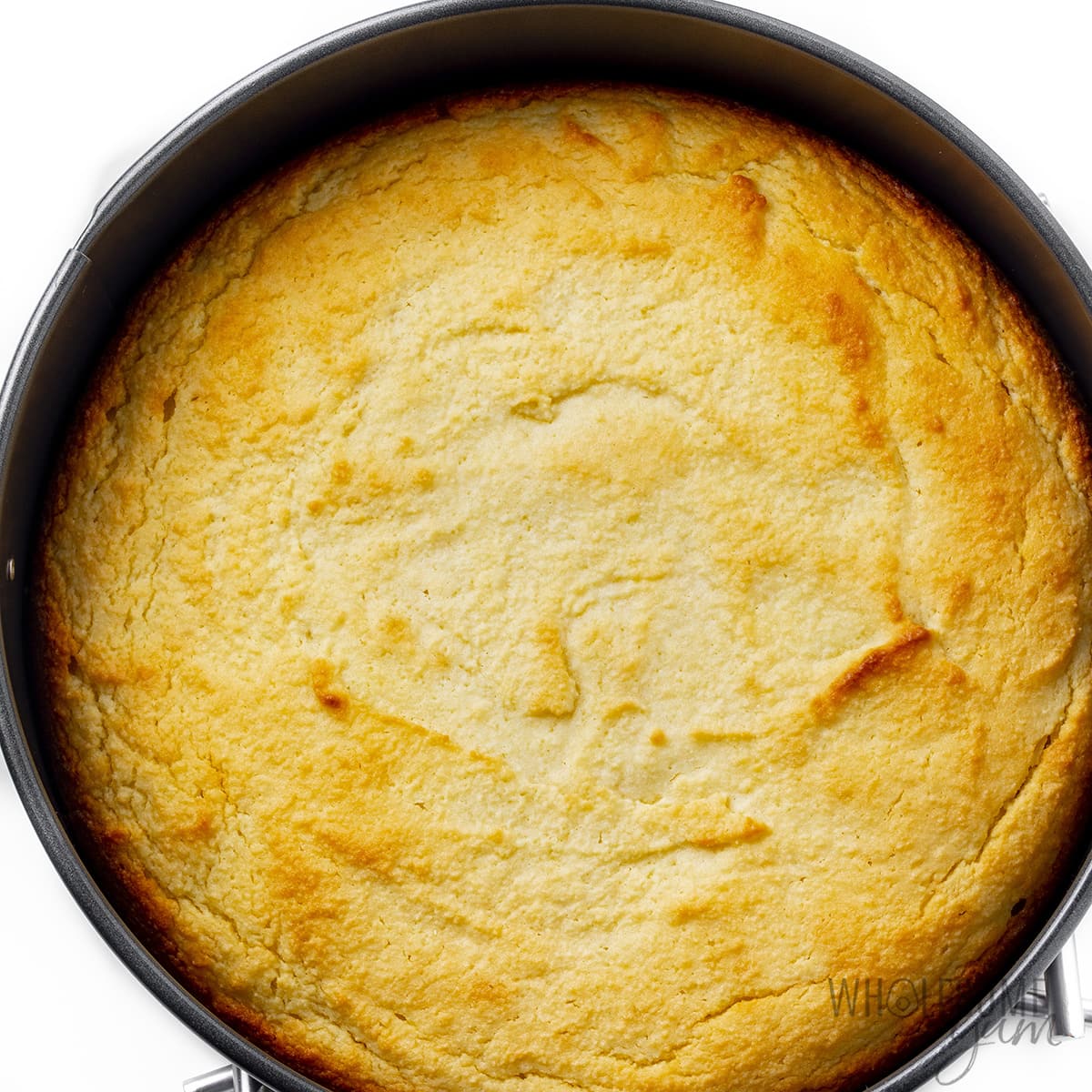
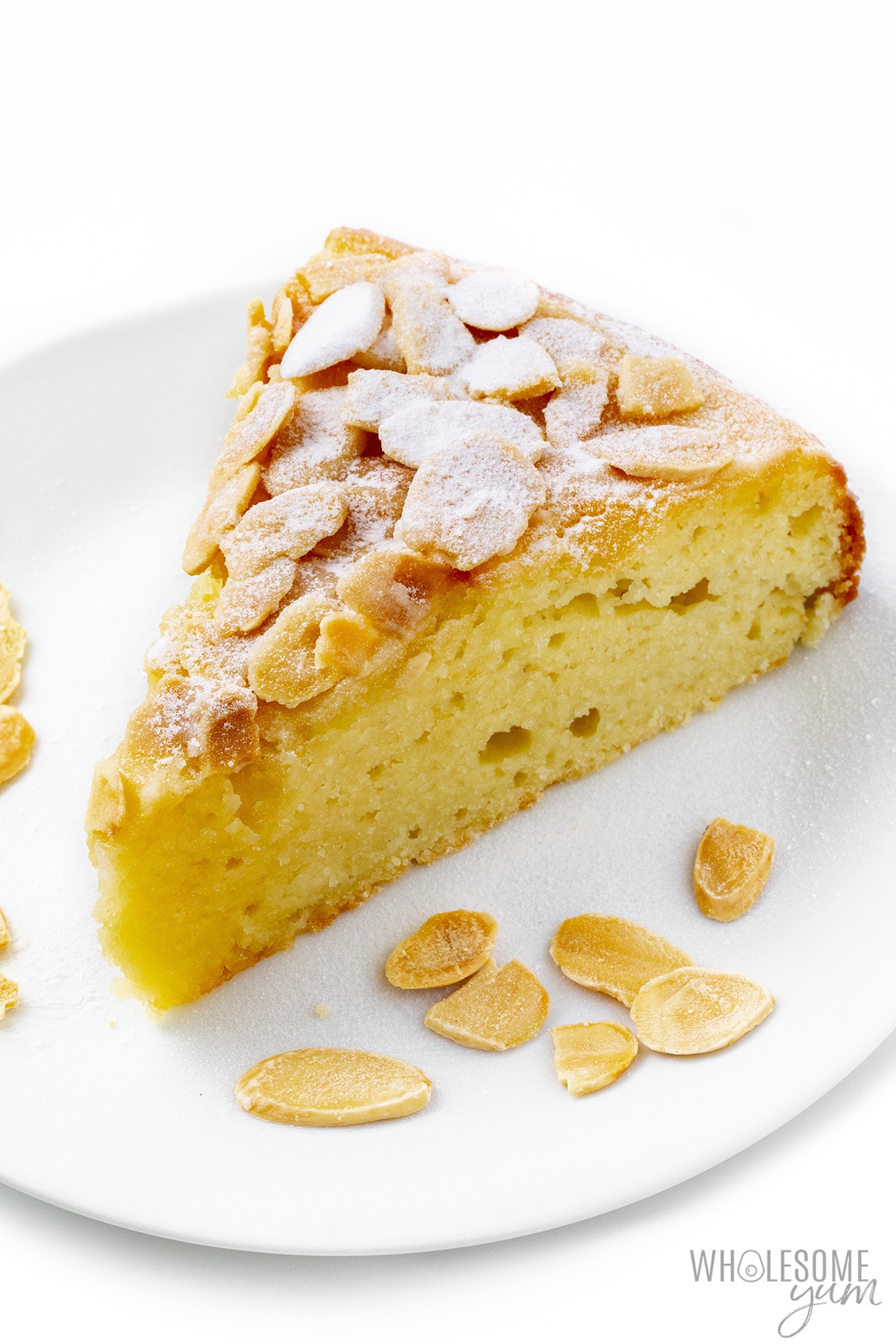
I have step-by-step photos here to help you visualize the recipe. For full instructions with amounts and temperatures, see the recipe card. For something extra, top this almond nut cake with sugar-free vanilla ice cream, whipped cream, or even fresh berries. I love garnishing mine with fresh strawberries.
Storage Instructions
Store: This cake retains its texture best if you wrap it tightly in plastic wrap and store it at room temperature, but it only lasts a day or two that way. When I need to store it for longer, I still wrap it, but keep it in the fridge instead to stretch its life to 5 days or so. Freeze: Almond flour cake freezes beautifully! After cooling, wrap it in plastic wrap, followed by a layer of aluminum foil, and freeze for up to 3 months. To serve, let it thaw at room temperature first.
More Almond Flour Cake Recipes
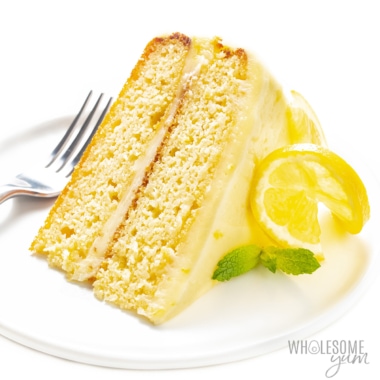
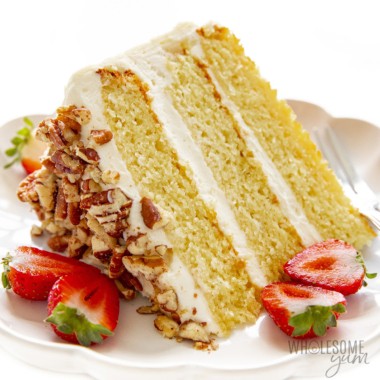
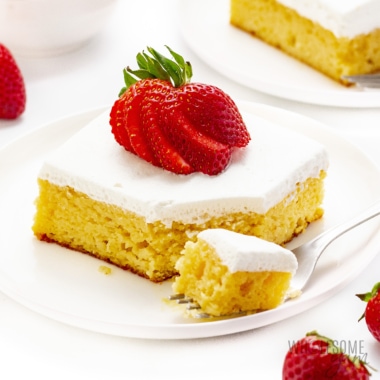
If you love this almond cake, I think you’ll want to try some of my other cake recipes with almond flour:
Watch the almonds when toasting. The difference between golden to burnt is just a minute or two, so you’ll want to check on them. The batter should be thick. This is completely normal! It shouldn’t be stiff, but not totally pourable, either. Release carefully. My almond cake is a little fragile, so be careful when removing it from the pan, or it might crumble. (Been there, done that!) It helps to run a knife along the edges first. And if you don’t use a springform pan like I do, you’ll need to let the cake cool quite a bit before trying to remove it. Dust with powdered sweetener only when cooled. I find that it just soaks into the glaze if you sprinkle it on while the cake is still warm.
Tools I Use For This Recipe
Springform Pan – I prefer this springform pan for easy removal, but you could also use a regular 8-inch or 9-inch cake pan if that’s what you have. Baking Sheet – For toasting the almonds. I love this non-stick coating because it just lasts and lasts. Electric Mixer – I use this for beating the butter and sweetener together. It’s durable, powerful, and perfect for the job. Wire Rack – For cooling the almond cake after baking. It allows air to circulate and prevents it from becoming soggy. I like this rack in particular because it’s oven-safe and fits nicely into baking sheets, so I use it for many other recipes where I need to bake or roast something on a rack. Pastry Brush – For easy glazing. The material this one is made of has kept it looking like new for years.
Please enter your first name for your account. Your saved recipe will also be sent to your email. 📖 Want more recipes like this? Find this one and many more in my Low Carb Holiday Cookbook!